
Energy News: Europe Pushes Smart Home Transitions
June 25, 2025
As Europe accelerates its clean energy transition, recent developments across Germany, France, and the UK are shaping a smarter, more flexible residential energy future. From mandatory rooftop photovoltaics to the rise of heat pumps and negative electricity prices, households are becoming key players in the energy system. Here’s a look at five major trends driving change—and what they mean for home energy management.
Household Flexibility: A Growing Resource
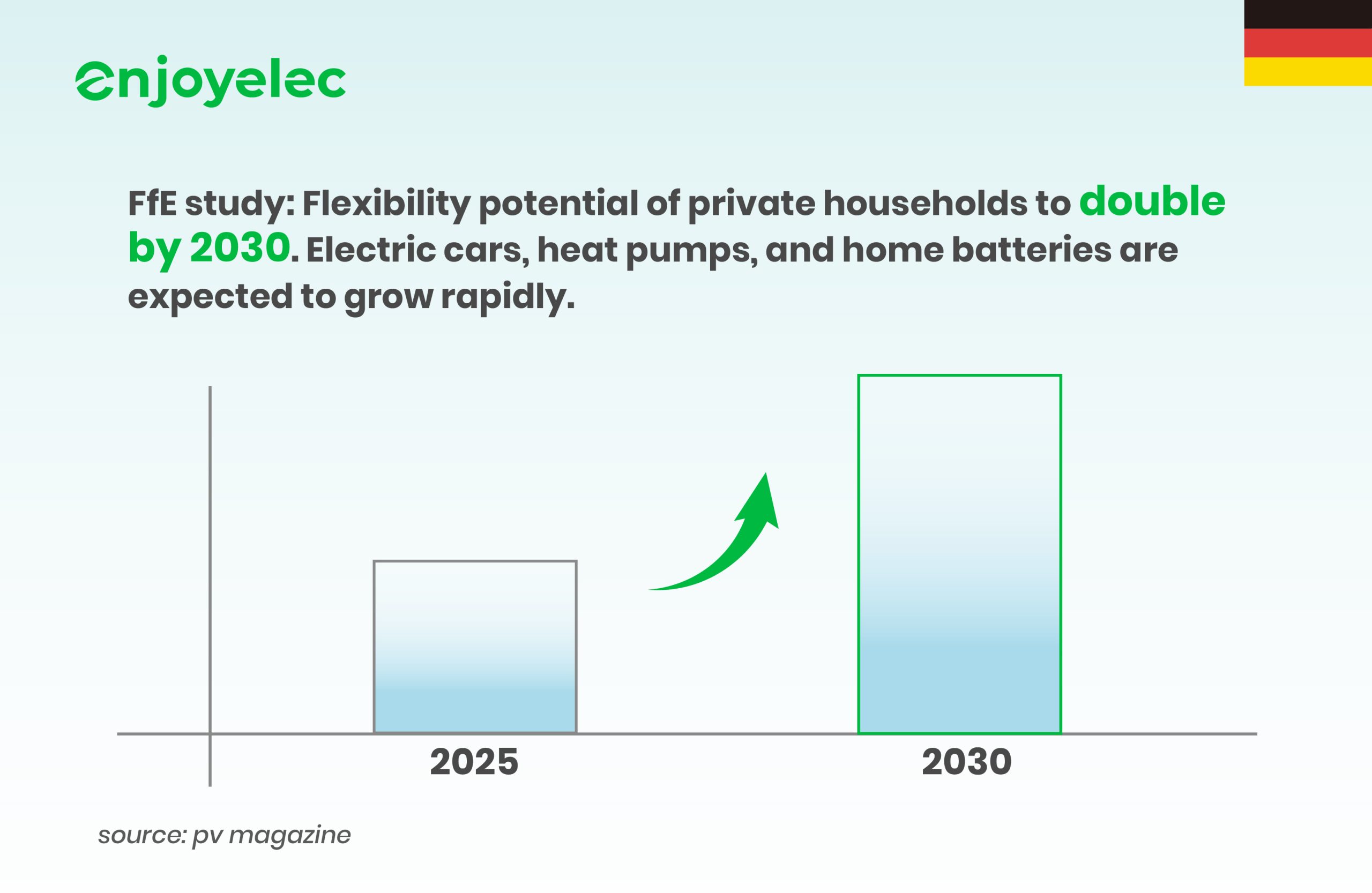
A recent study from FfE projects that the flexibility potential of private households in Germany could double by 2030. With more EVs, heat pumps, and battery storage entering homes, consumers are no longer just energy users—they’re becoming active participants in grid balancing.
Smart energy management systems will play a key role in unlocking this flexibility, enabling homes to shift energy usage based on price, carbon intensity, or grid demand.
France: When Electricity Prices Go Negative
In May 2025, France experienced zero or negative electricity prices on 90% of the days—a direct result of midday solar oversupply and insufficient demand-side response. This trend highlights a growing need for smarter coordination between rooftop PV, batteries, and flexible consumption.
With feed-in tariffs declining and self-consumption rising, households need tools that can automatically optimize energy flows—charging batteries when prices are low and minimizing export when it’s unprofitable or penalized.
UK: Solar Panels Now Mandatory for New Homes
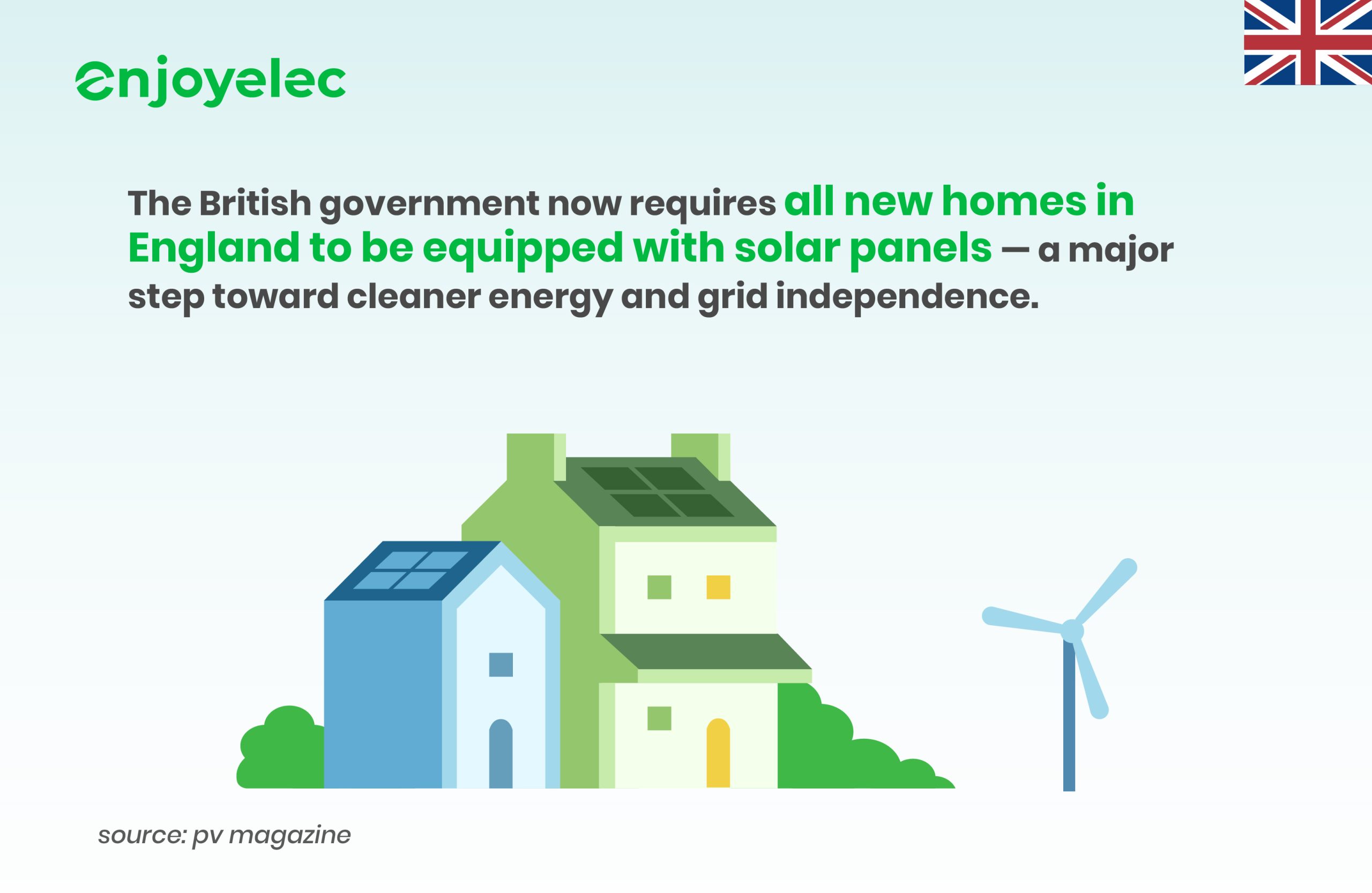
The UK government has mandated photovoltaics (PV) for all new homes in England, accelerating the adoption of rooftop solar. This policy underscores a broader shift: distributed energy resources (DERs) are no longer optional—they are essential infrastructure.
But to truly reap the benefits, new homes will also need intelligent systems to manage when and how that solar energy is used or stored.
Germany: Heat Pumps Become the New Normal
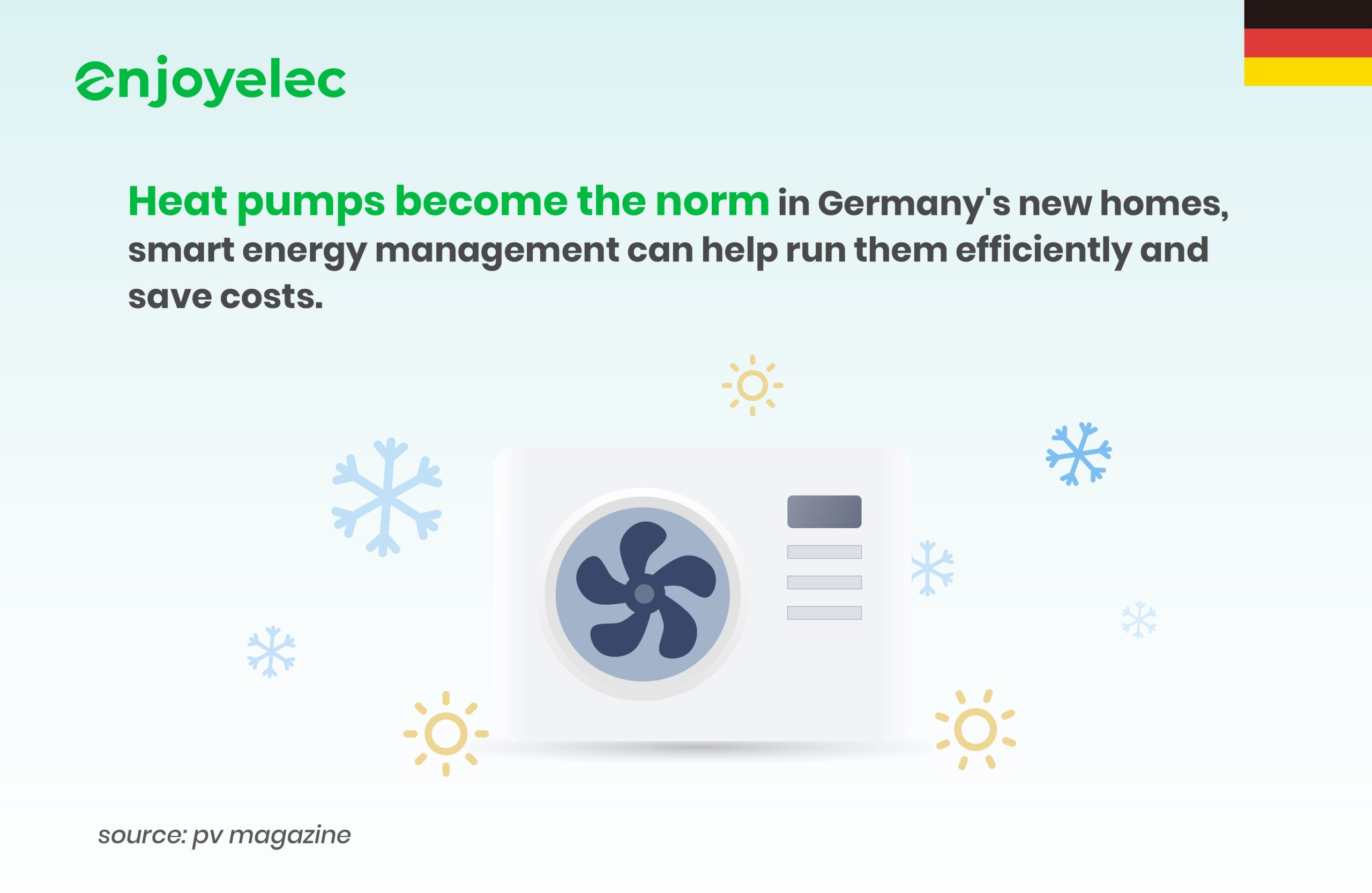
In Germany, heat pumps are becoming the standard for new residential buildings, replacing fossil-fuel-based heating. While this marks a significant step toward electrification, it also adds complexity to household energy demand—especially during peak hours.
Integrating heat pumps with smart controls and dynamic tariffs can help reduce both household energy costs and peak load pressure on the grid.
France’s Residential Solar Market Is Booming—But Facing Challenges
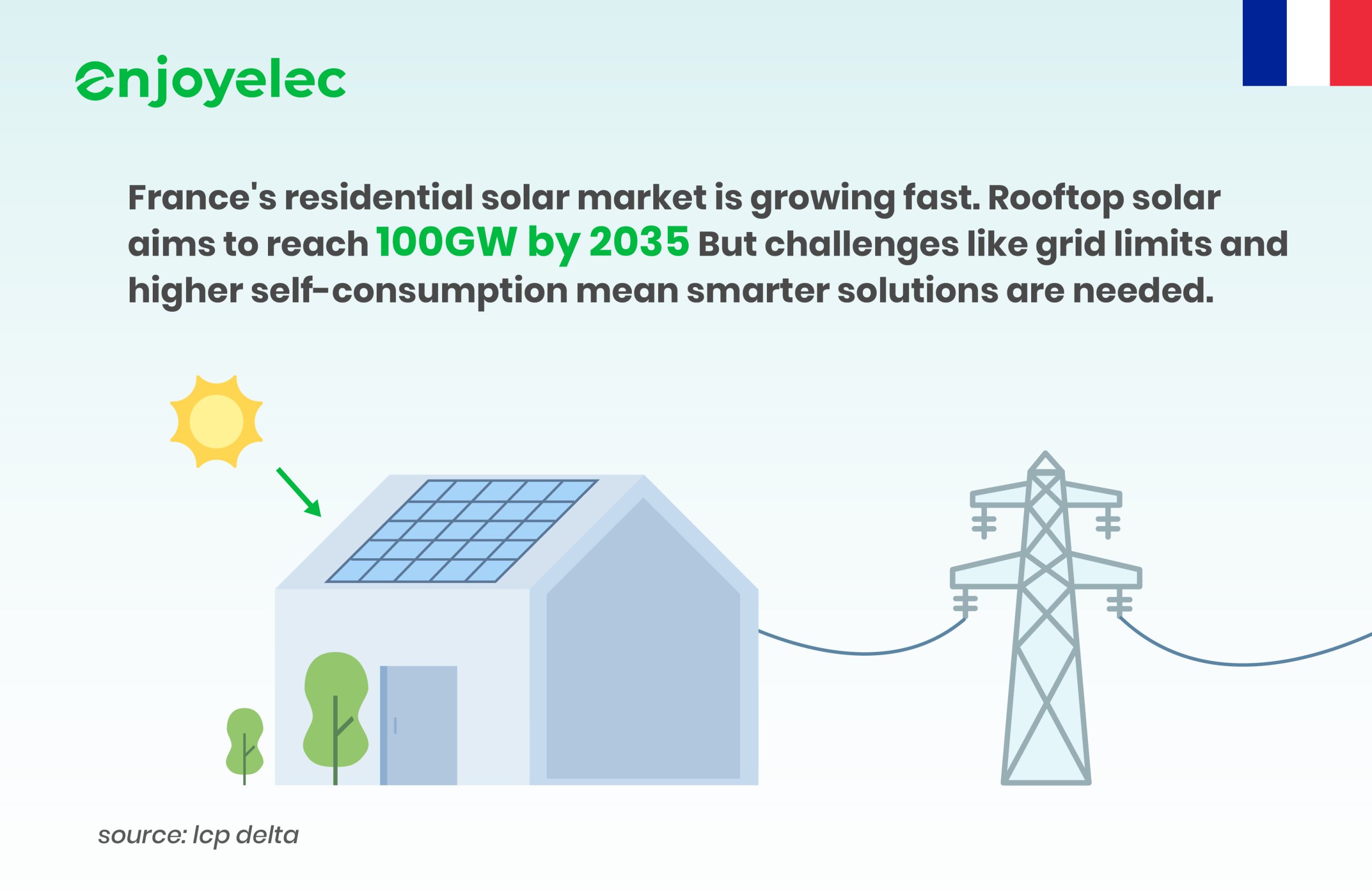
France aims to install up to 100 GW of rooftop PV by 2035, backed by subsidies, simplified permitting, and national targets. Residential installations are rising fast, but challenges such as limited grid access and increasing self-consumption demand are pushing the need for smart energy management solutions.
Systems that balance self-consumption, grid export, and real-time energy use can help homeowners navigate tariffs, avoid curtailment, and maximize return on investment from their solar setups.
The future of residential energy in Europe is clear: more solar, more flexibility, and more intelligent energy use. Whether it’s dynamic tariffs in France, rooftop PV mandates in the UK, or flexible load growth in Germany, the common thread is the need for smarter, data-driven energy management.
Technologies like Home Energy Management Systems (HEMS) will be essential for helping households optimize their energy use, lower costs, and contribute to a more resilient, low-carbon grid.