

Knowledge
Provide an overview of terms and concepts related to home energy.
Germany’s revised BEG heat pump funding changes subsidy rates, bonuses and eligible costs. Explore the digital interface requirements taking effect on 1 July 2027, how SG Ready compares with EEBUS, and how HEMS controllers support grid control and home energy optimisation.
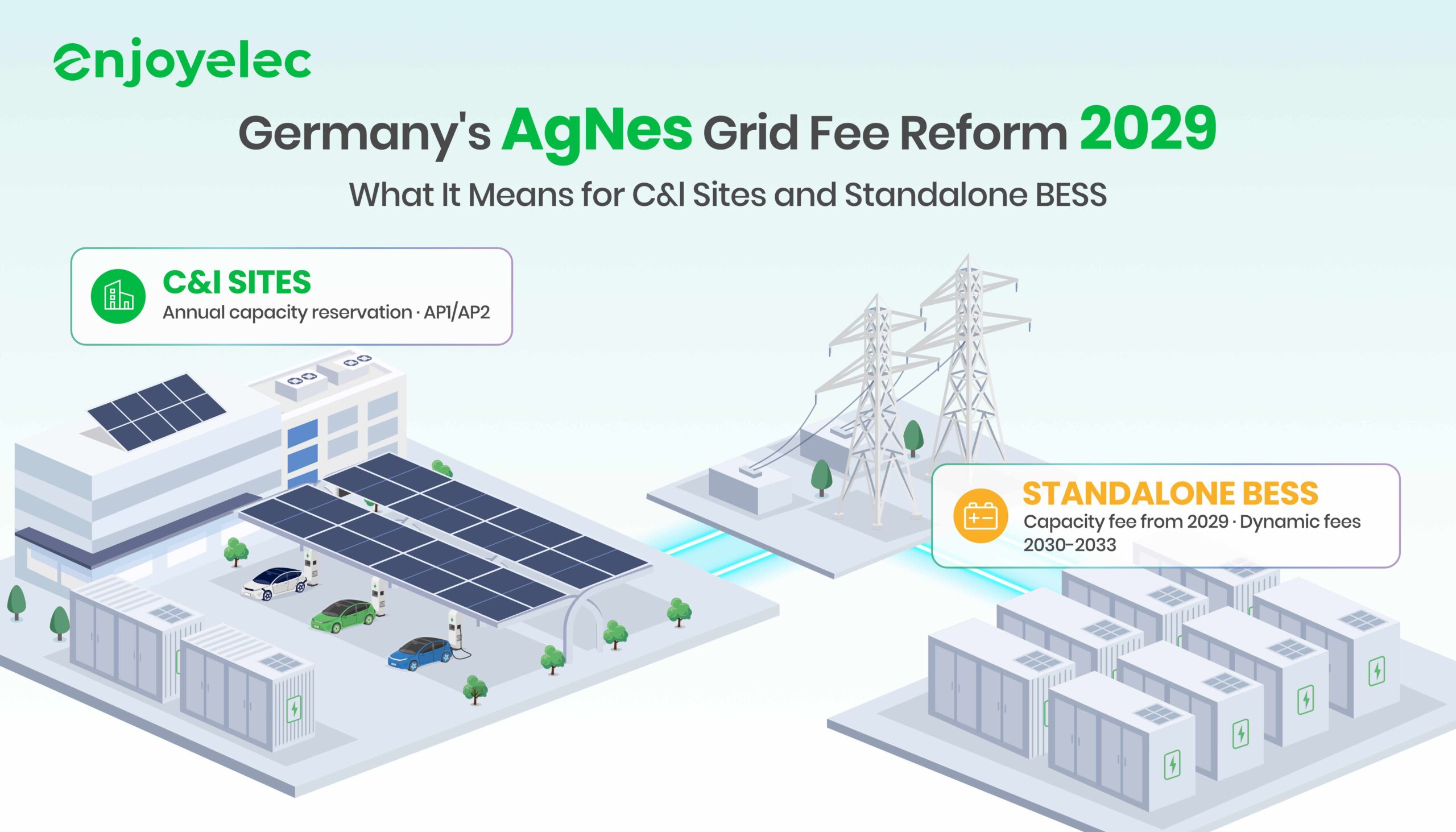 Tags: AgNes, BESS, C&I Energy Management, Germany Grid Fees
Germany’s AgNes draft proposes a new grid-fee framework from 2029. This article explains how Bestellkapazität and AP2 could affect larger C&I users, which standalone BESS projects may face a capacity-based fee, how dynamic grid fees could later influence storage operation, and what operators can prepare before the rules take effect.
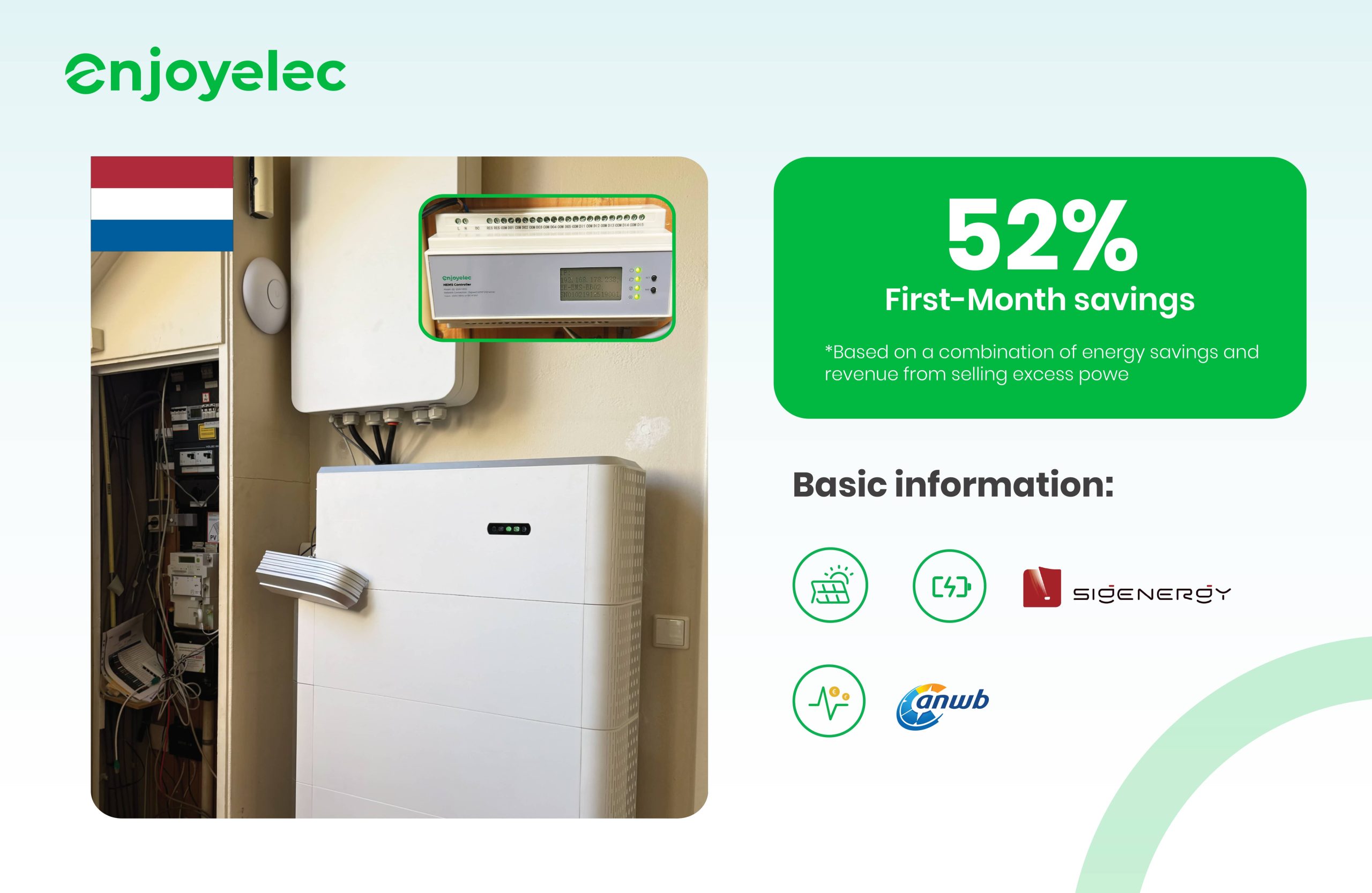
Many homeowners today are making a significant investment in clean energy assets like rooftop solar, home battery, and EV chargers. But (as this Dutch customer discovered),simply having the hardware is obviously not enough
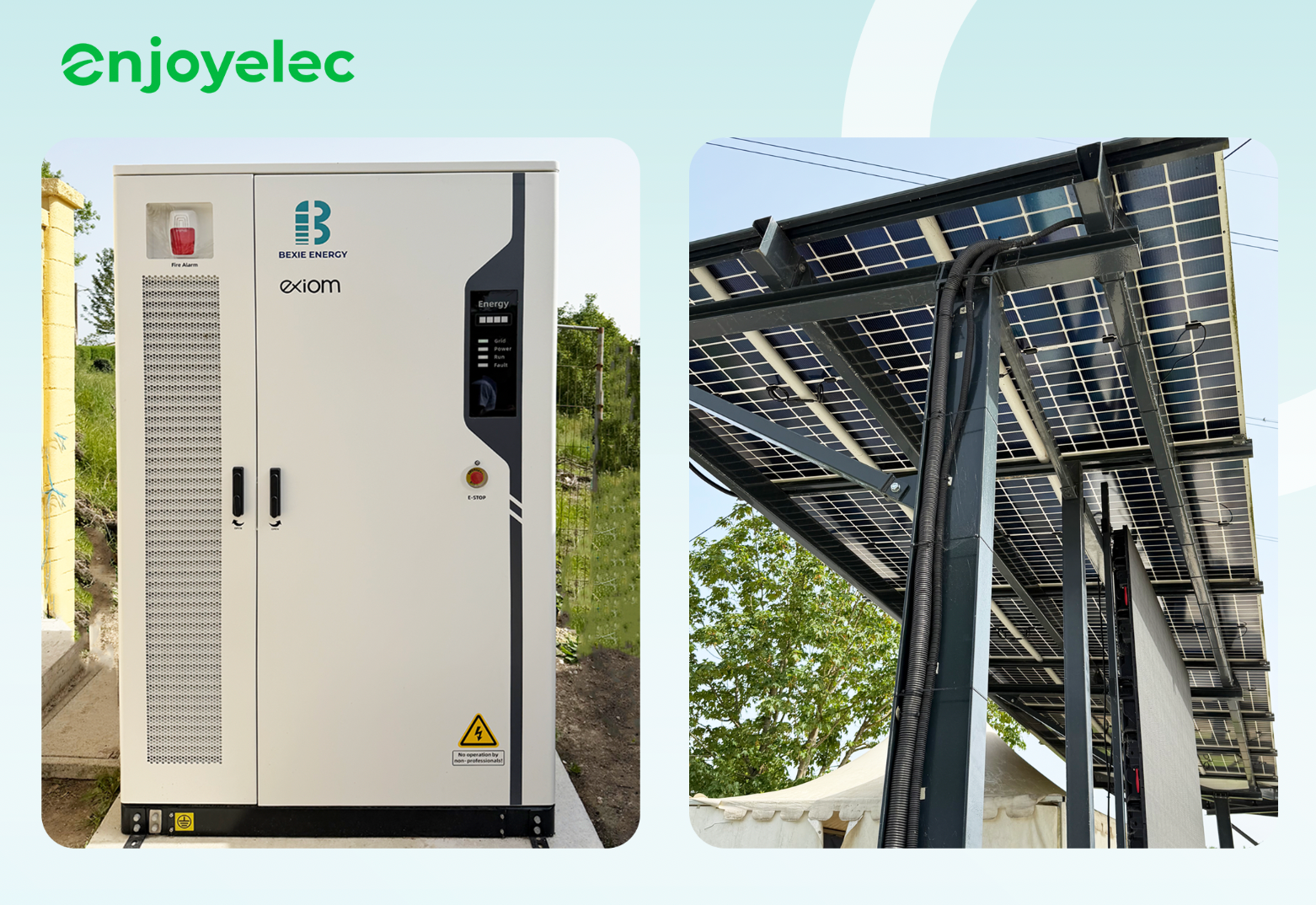
Discover how enjoyelec HEMS unlocks OMIE market arbitrage value in Spain. Optimize PV and BESS assets with smart cloud-edge price-driven dispatch strategies.
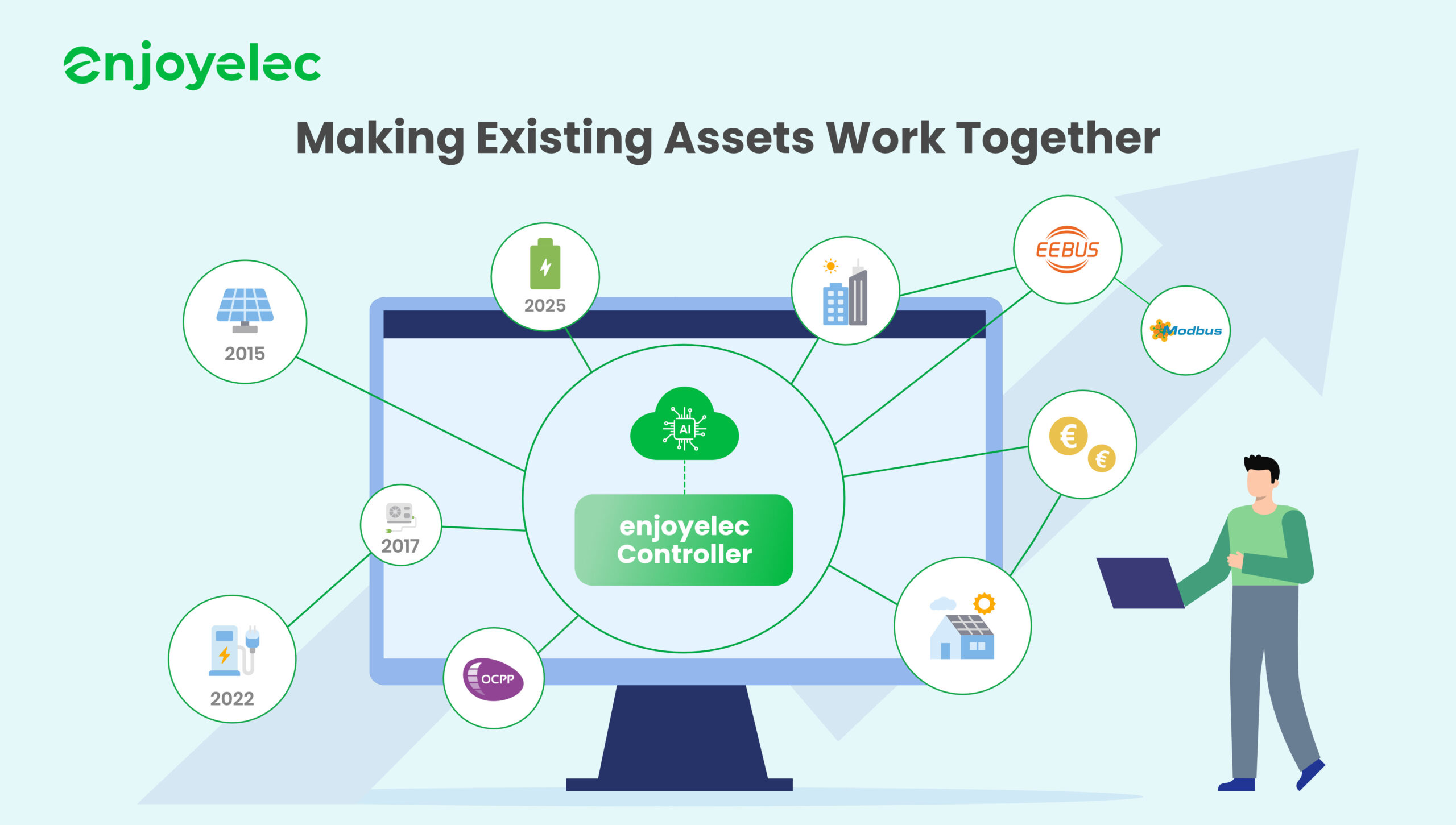
From Installed Assets to Flexible Assets: Why Europe’s Next Energy Challenge is System Orchestration
The growing attention around local control in energy management systems reflects changing operational requirements within modern distributed energy infrastructures.
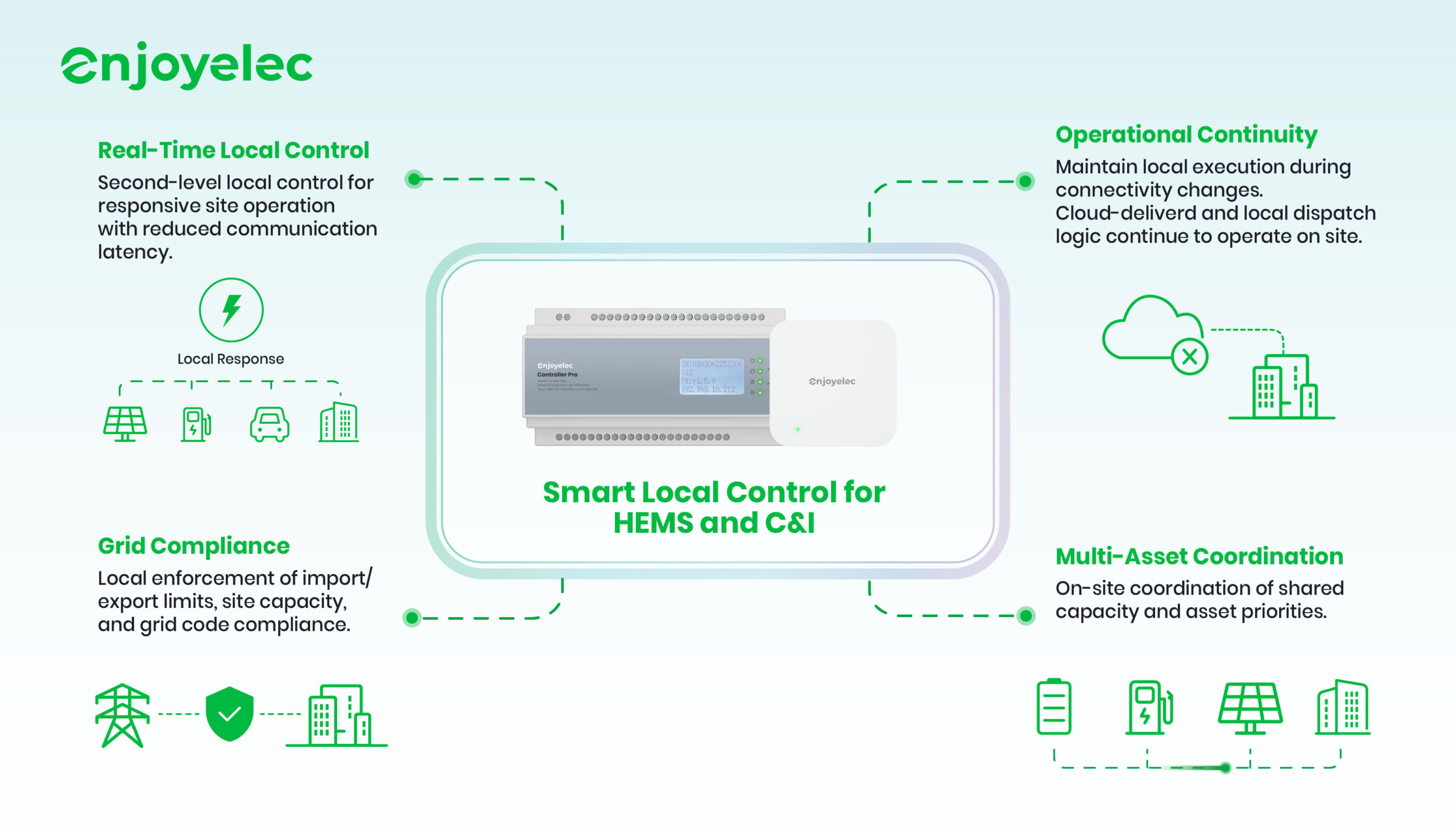
The growing attention around local control in energy management systems reflects changing operational requirements within modern distributed energy infrastructures.
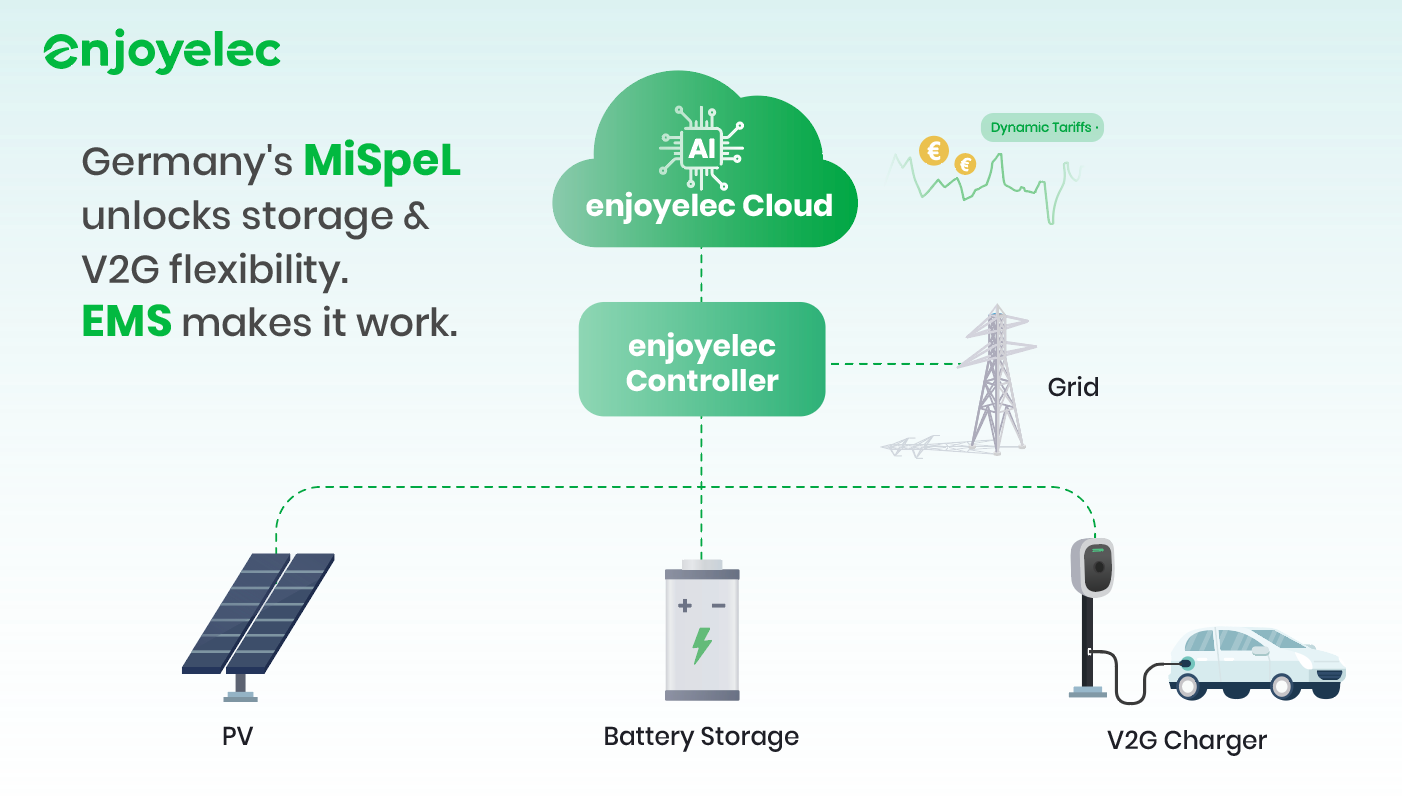
Germany’s energy transition is increasingly shaped not only by renewable generation, but by how flexibly energy can be stored, coordinated, and used. With the ongoing development pf the new MiSpeL (Mess- und Spezialbilanzierungsprozess) process rulesunder the framework of EEG §19, battery storage systems and bidirectional charging infrastructure are gaining greater operational flexibility within Germany’s electricity market. While MiSpeL is often discussed as an accounting reform, its implications extend far beyond measurement rules. The framework reflects a broader shift already taking place across Europe — one in which batteries and EV charging infrastructure are increasingly expected to participate more actively in electricity markets rather than supporting self-consumption alone. Instead, they are becoming flexible energy assets capable of responding to electricity prices, grid conditions, and evolving market signals.
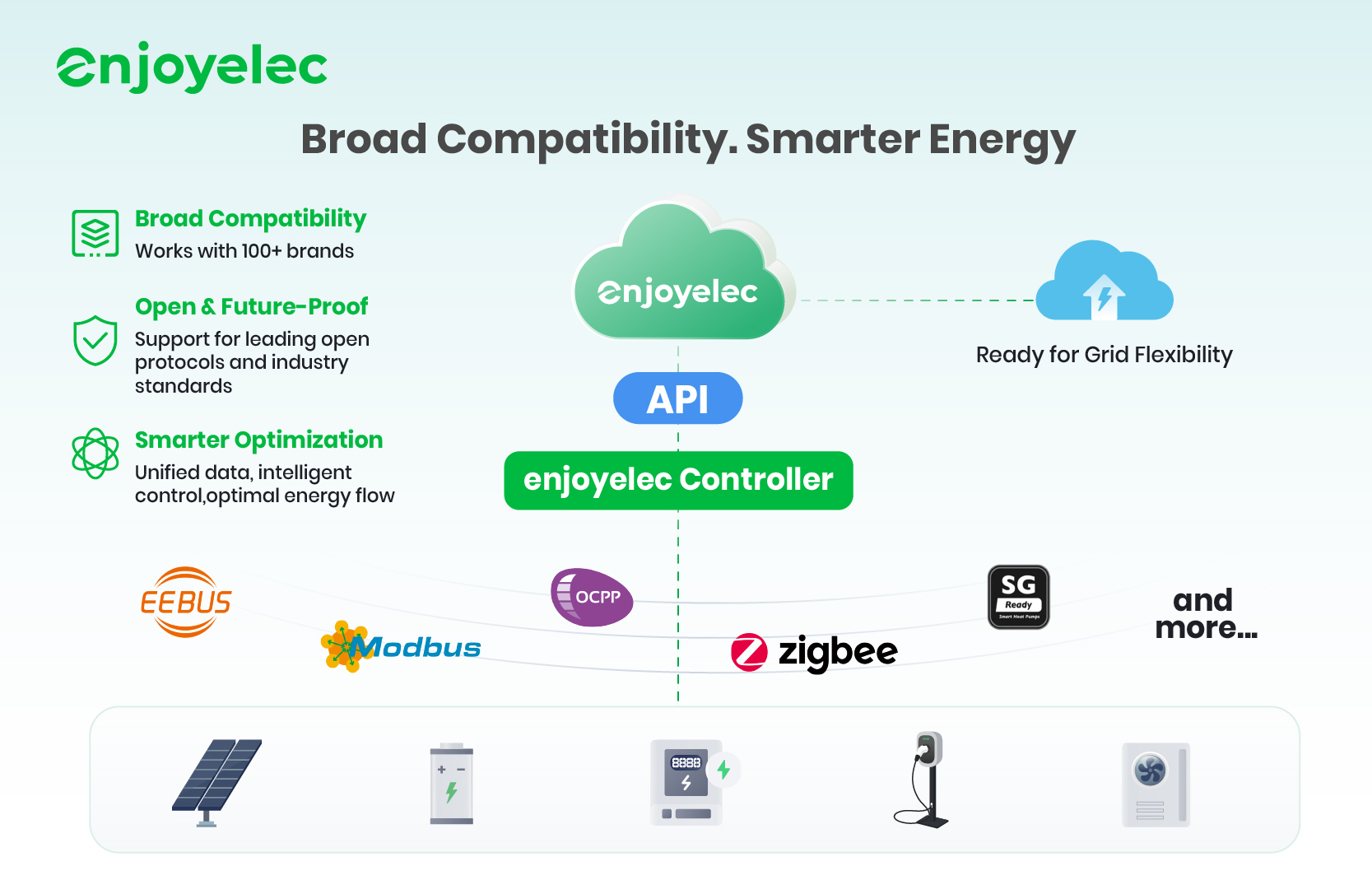
Europe’s electrification is entering a new phase. The challenge is no longer simply deploying more solar PV, battery storage, EV chargers, or heat pumps. Increasingly, the real challenge is making these technologies operate as one coordinated energy system. As electrification accelerates across Europe, seamless integration between devices, protocols, and energy platforms is becoming essential for both residential and commercial energy systems.
The Netherlands has one of the highest residential solar PV penetration rates in Europe. However, with the gradual phase-out of net-metering and tax exemption from 2027, exporting solar energy to the grid is becoming less attractive. As a result, maximizing solar self-consumption in the Netherlands is quickly emerging as the most effective way for households to reduce electricity costs and improve energy independence. While solar PV remains a powerful asset for the energy transition, the real challenge today is not generation, but how to use more solar energy directly at home, especially without installing batteries.