Embracing Time-of-Use and Dynamic Tariffs: The Smart Future of Energy Management
June 13, 2025
- Europe’s energy landscape is undergoing rapid transformation. With more renewable energy feeding into the grid and millions of devices—like EV chargers, heat pumps, and home batteries—coming online, balancing electricity demand and supply is becoming a growing challenge. Time-of-Use (ToU) and dynamic tariffs are emerging as essential tools to align consumer behavior with renewable generation and grid needs.
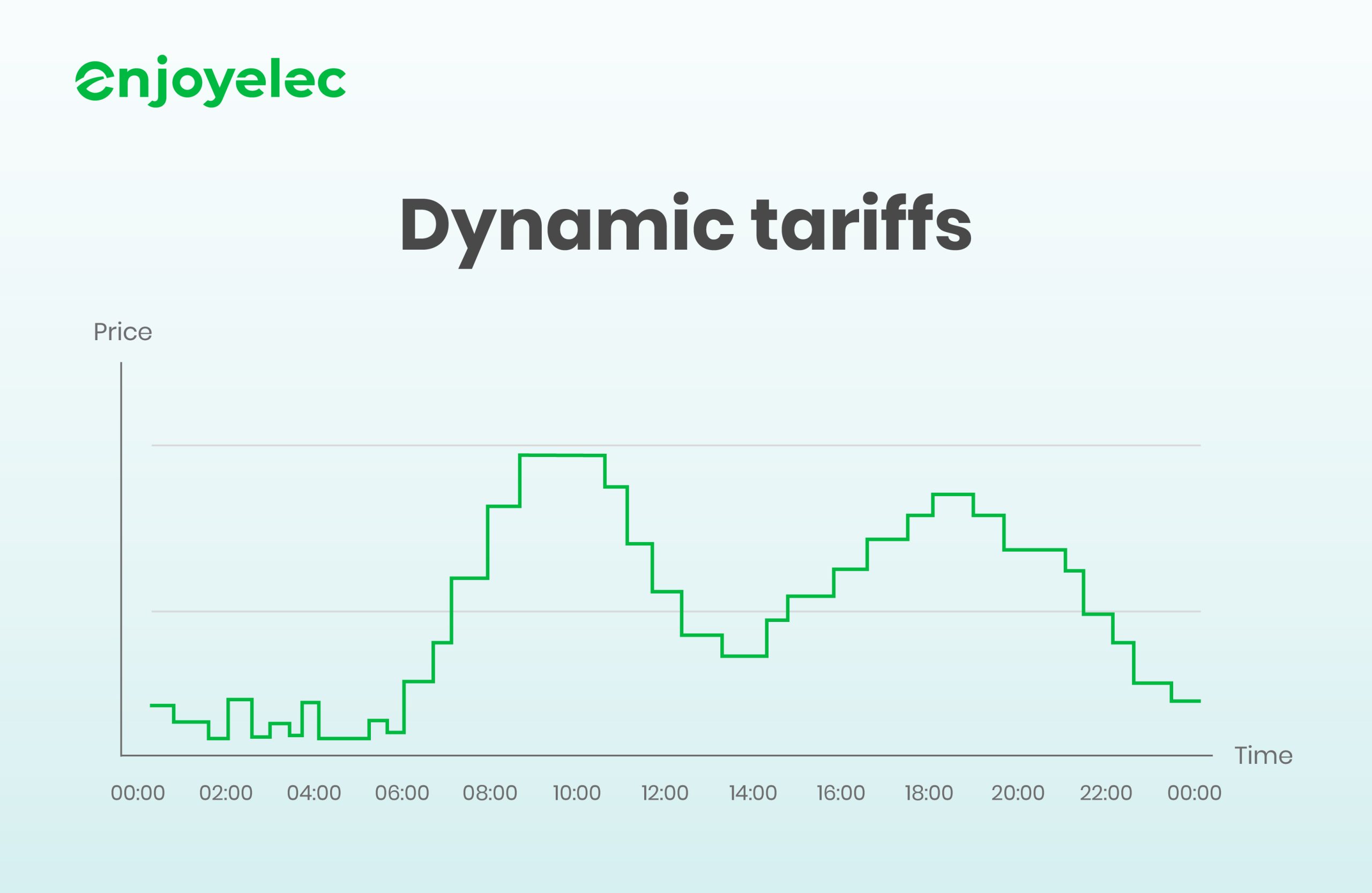
What Are Time-of-Use and Dynamic Tariffs?
Time-of-Use tariffs divide the day into time blocks—such as peak and off-peak—where electricity prices vary. Dynamic tariffs, on the other hand, are updated more frequently, often hourly or every 15 minutes, based on market prices or grid conditions.
Both models incentivize energy use when electricity is cheapest and most abundant—typically when solar or wind power is peaking—and discourage usage during high-demand periods.
Why Dynamic Tariffs Matter for Grid Flexibility
Dynamic pricing helps stabilize the grid by:
-
Shifting energy usage to off-peak hours, reducing strain during peak demand times
-
Maximizing use of renewable generation. When solar or wind energy is abundant, dynamic pricing lowers electricity costs, encouraging users to consume or store energy at those times. This boosts renewable energy use and reduces waste.
-
Lowering grid congestion and infrastructure stress, helping to prevent outages and reduce grid upgrade costs
In a recent pan‑European survey, 480 time-varying tariffs for EVs, heat pumps and batteries were identified, tripling since 2021—evidence of growing adoption.
Key Enablers of Smart Tariff Integration
Successful implementation depends on:
-
Smart Meters & Real-Time Pricing Signals:Smart metering infrastructure enables precise, real-time measurement of energy consumption and connects households to dynamic tariff signals.
-
Controllable loads: Devices like EV chargers, heat pumps, batteries, and HVAC systems must be capable of responding automatically to price or grid signals.
enjoyelec’s HEMS Controller: Optimizing Energy Around the Clock
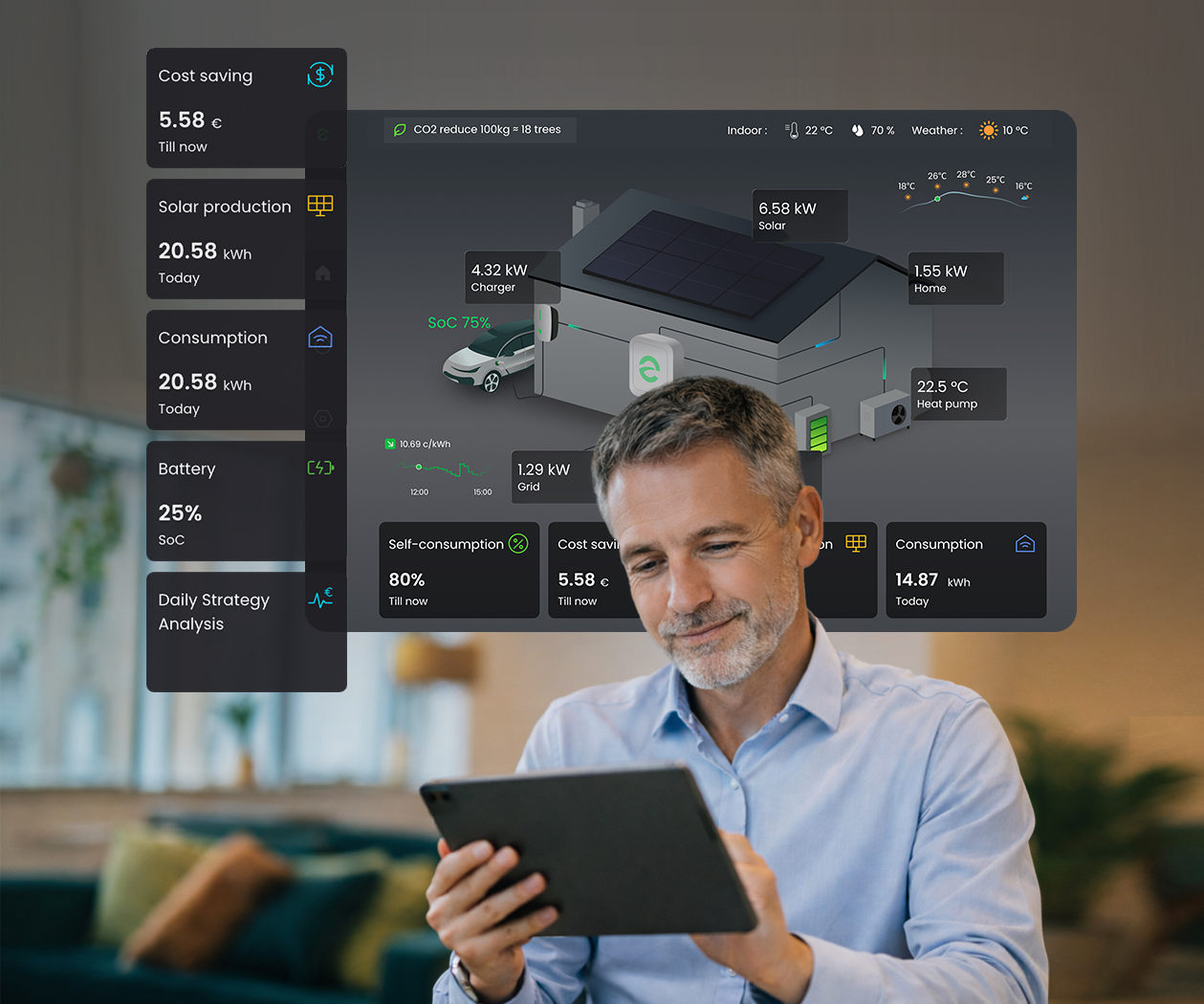
At enjoyelec, we empower homes to take full advantage of dynamic tariffs through our AI-powered HEMS Controller. Designed for seamless integration, our system supports real-time optimization, smart forecasting, and automatic load control—enabling users to benefit from energy market fluctuations without lifting a finger.
Key Features:
-
Automatic Strategy Scheduling: Using AI algorithms and real-time tariff data, the system plans energy usage to minimize cost.
-
Smart Battery Control: Charges the battery when electricity is cheap, discharges during high-price periods.
-
Dynamic EV Charging: Schedules charging during low-price hours, ensuring convenience and savings.
-
Integrated Forecasting: Considers weather conditions and market signals to optimize operation of solar systems, heat pumps, and more.
Our HEMS also supports leading communication protocols such as EEBUS, ensuring interoperability with grid operators and compliance with regulations like Germany’s §14a EnWG.
About enjoyelec
enjoyelec is a sustainable energy digital services provider specializing in Home Energy Management Systems (HEMS), Controllers and Vehicle-to-Grid (V2G) technology. By leveraging energy AI, battery AI, IoT, and big data, enjoyelec aims to achieve carbon neutrality through a focus on clean energy applications.
Subscribe to our free newsletter