enjoyelec Selected to Develop EEBUS Connectors for Interoperable HEMS and Smart Devices
March 9, 2026
Recently, ElaadNL and the Flexible Alliance Network (FAN) officially announced enjoyelec was selected to develop open-source software for accelerating an interoperable ecosystem for Home Energy Management Systems (HEMS) and flexible energy-intensive devices, based on the EEBUS protocol. This initiative aims to establish secure and standardized communications across multiple devices and vendors, supporting both local and cloud-based Home Energy Management deployments. To ensure high code quality and reduce the risk of bugs and vulnerabilities, ElaadNL and FAN are working closely with the European Network for Cyber Security (ENCS) throughout the development process.
The Interoperability Challenge
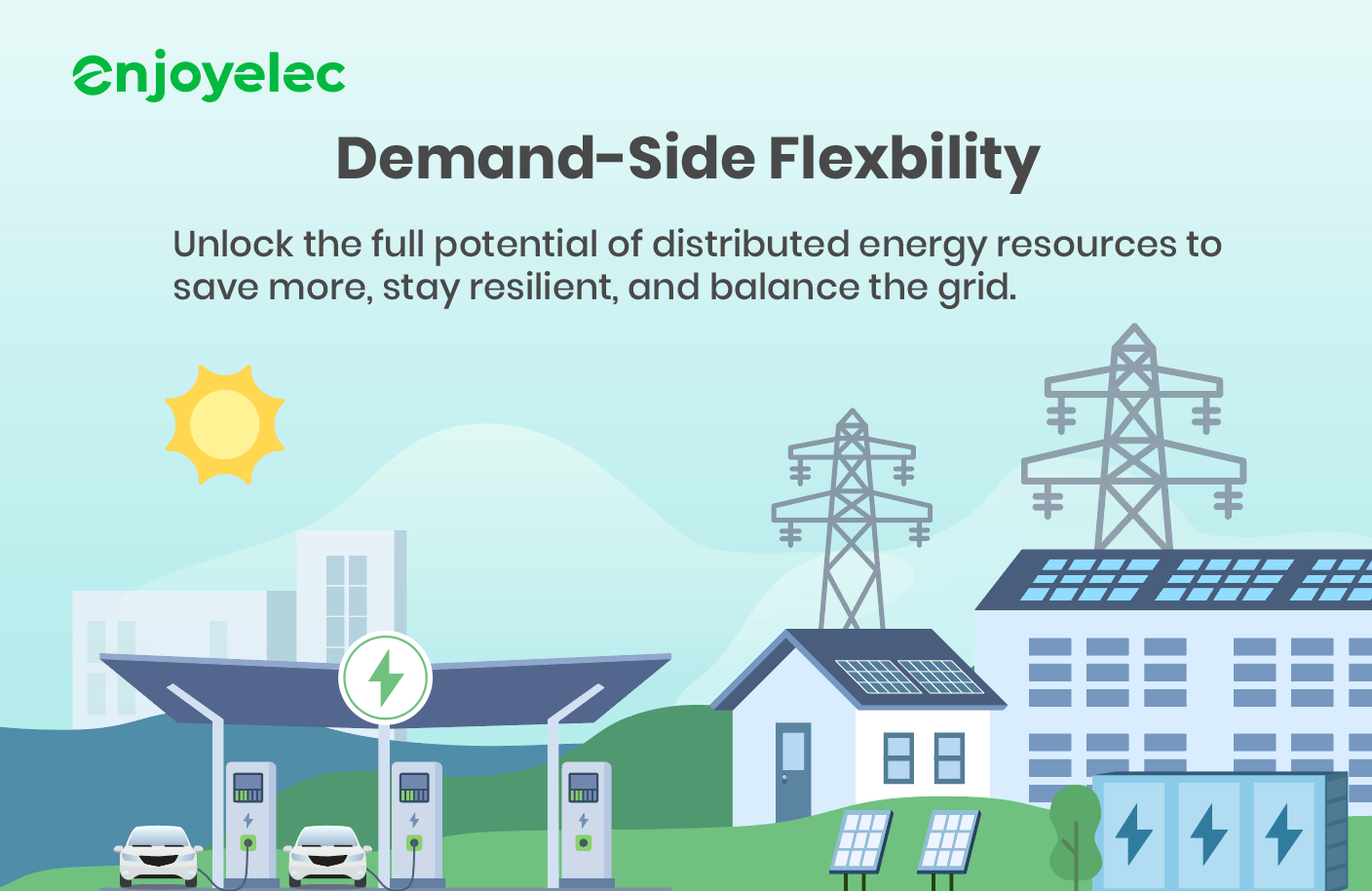
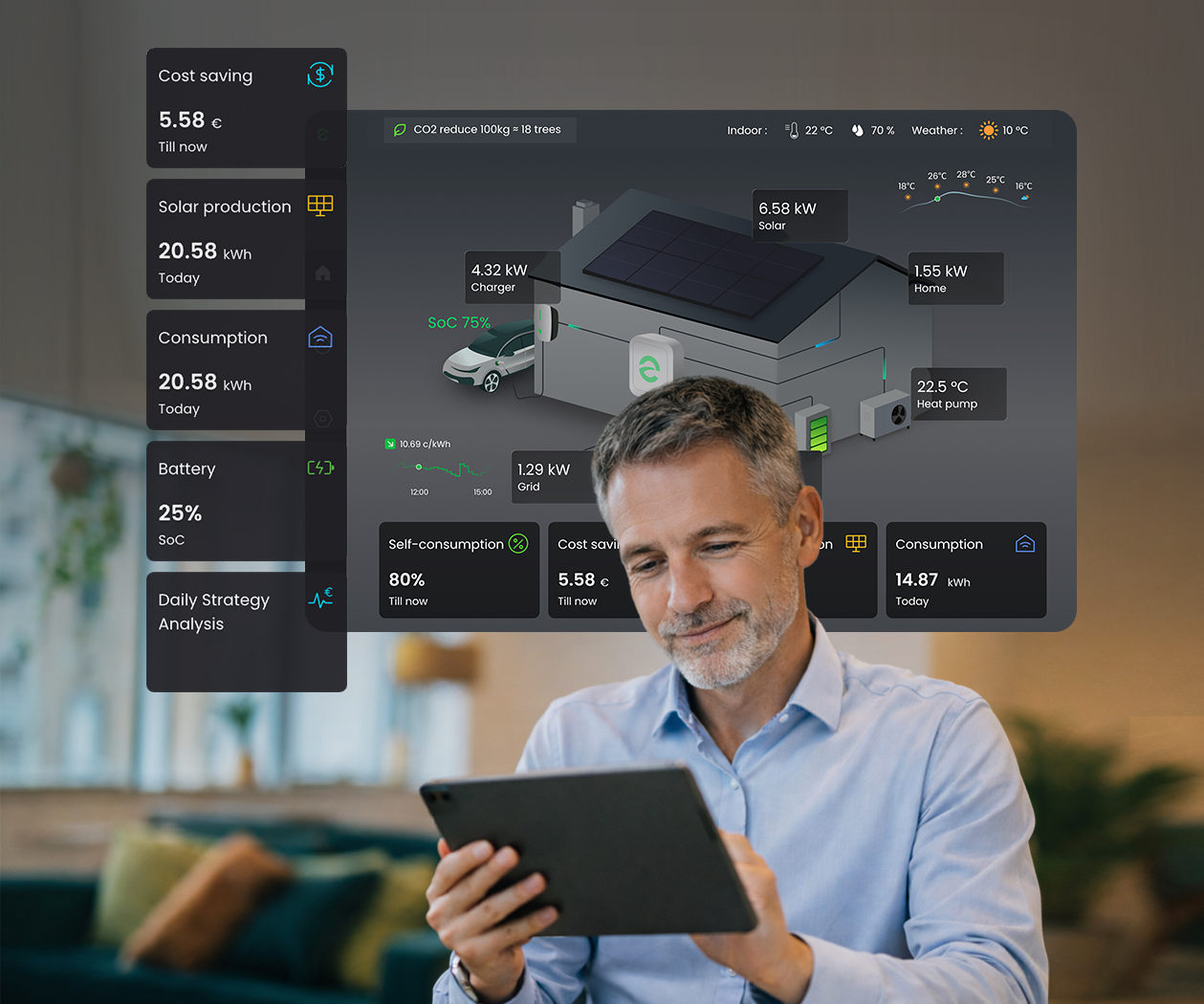
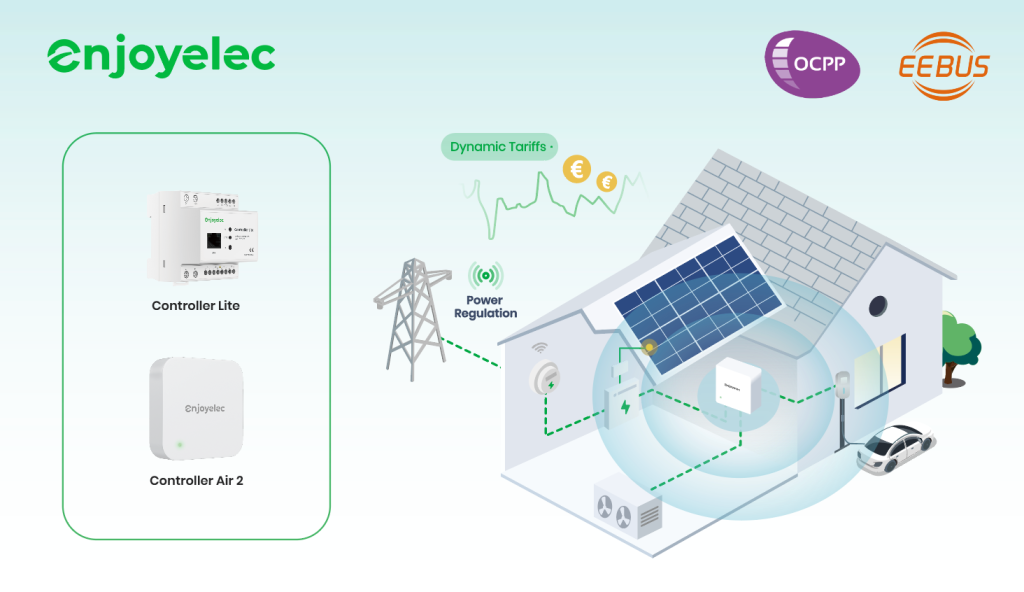
In a changing energy system, unlocking the flexibility of grid-intensive appliances in and around home, such as EV chargers, heat pumps, home batteries, and solar panels, has become increasingly critical. These appliances can be intelligently controlled with a HEMS, which smartly enables self-consumption of solar power, shifts electricity demand away from peak times to reduce grid load, accelerate household decarbonization, and reduce the reliability of electricity grid. Smart energy management also helps households save on energy cost by aligning usage with dynamic tariffs.
However, a major obstacle has been persisted in the current market: the lack of standardized communication between flexible energy-intensive devices (FEIDs) and HEMS, coupled with no uniform way to communicate signals from outside the house to the HEMS. These force consumers feel limited either into brand-specific ecosystem (vendor lock-in) or suboptimal power usage within their homes.
With a package of market incentives on the horizon, featuring energy contracts with dynamic tariffs, a feedback tariff for locally produced electricity, the end of the so called salderingsregeling (net metering) and the introduction of Time of Use grid tariffs (expected in 2028 in the Netherlands), this interoperability gap is no longer sustainable. Without immediate standardization, consumers risk higher costs and missed opportunities in the green transition.
The obscurity of in-home interoperability also burdens Original Equipment Manufacturers (OEMs). A market survey by ElaadNL and FAN found over 25 different protocols for in-home communication, with no clear path forward. OEMs face a difficult choice. They can try to support a wide range of protocols (which is expensive and complex), take a guess (and therefore a risk) for a limited set, or develop their own, proprietary, software.
One of the recommendations in the survey, was to increase long-term interoperability by focusing on four already available protocols, including EEBUS. OEMs can choose to incorporate only one of the four selected FEIDs protocols, whereas the HEMS will need to incorporate all four. Once this is realized all FEIDs will be interoperable with all HEMS, enabling full flexibility for the end users.
EEBUS is the Solution
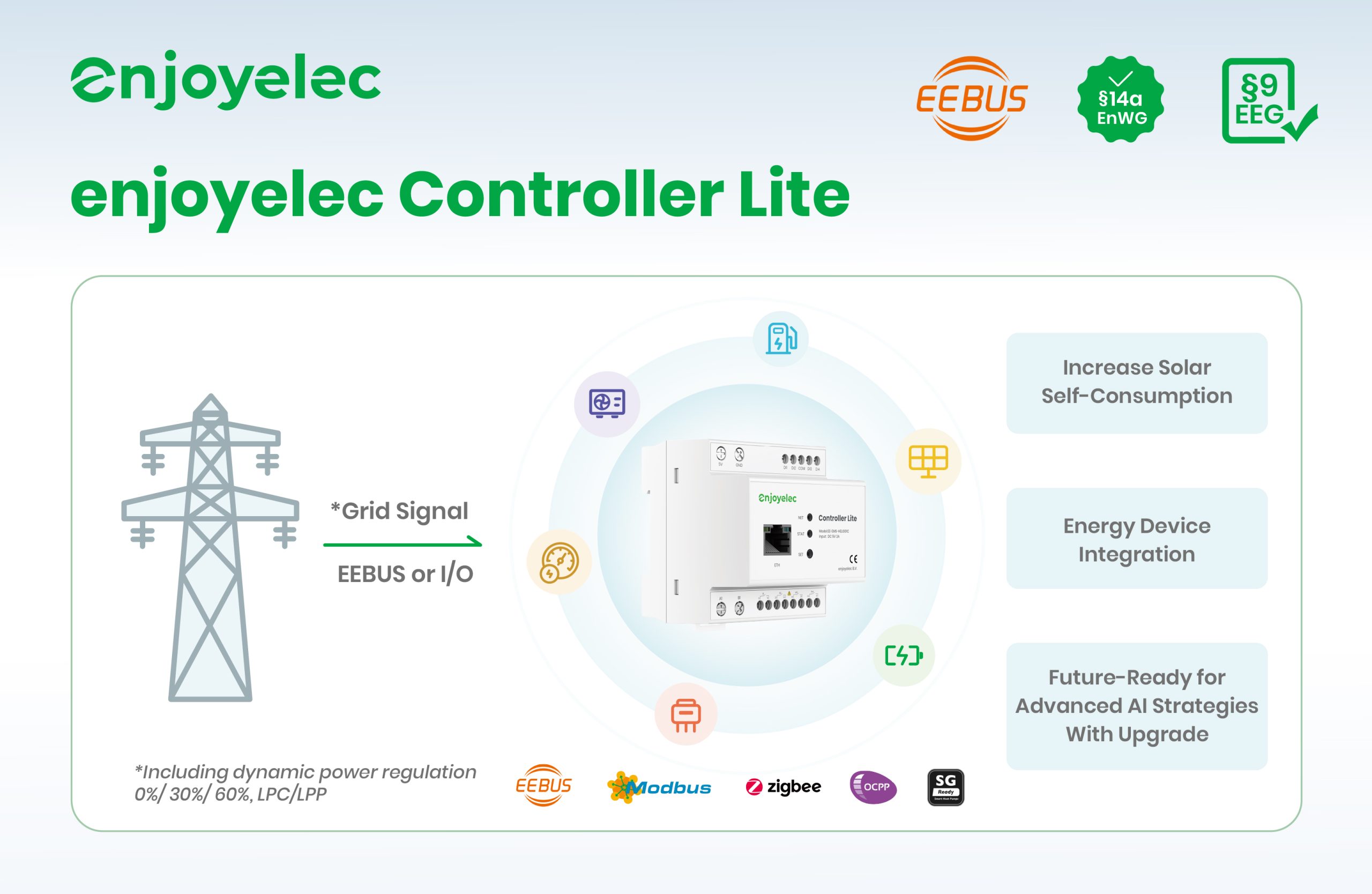
As the established European standards originally developed by leading HVAC and appliance manufacturers, EEBUS is specifically designed for energy-relevant communication between HEMS and energy-intensive devices like heat pumps, EV chargers, home batteries, and solar inverters. It has been recommended by various international agencies as the preferred interface for interoperable energy assets control.
Why enjoyelec
We bring deep expertise in EEBUS implementation and a proven record in open-source development for home energy management. Our team will deliver software that ensures secure, reliable communication across devices and vendors, supporting both local and cloud-based HEMS deployments. All codes will be scanned and reviewed by ENCS before publication, guaranteeing security and strengthening trust in the interoperable ecosystem.
“We are excited to collaborate with ElaadNL FAN to strengthen the interoperability roadmap,” said Ethan Zhu, CEO of enjoyelec. “Our focus is to bring EEBUS into a robust, open-source implementation that partners can adopt with confidence — accelerating an open ecosystem where devices and HEMS work seamlessly together.”
In addition to the dedicated work packages, more interoperability test events and industry conferences have been planned, aiming reach an industry certification for interoperable FEIDs and HEMS by the end of 2026.
For more information about the project, read the detailed News published by ElaadNl: The winners to develop open source connectors for interoperable HEMS and smart devices are… • ElaadNL
About enjoyelec
enjoyelec is an energy digitalization company specialized in battery AI and energy AI technologies, providing digital solutions and energy storage asset operation services for the global clean energy market. We help homes and commercial sites reduce energy cost and unlock flexibility value by orchestrating PV, battery storage, EV charging and heat pumps through an edge controller plus cloud optimization. By enabling seamless communication across devices and protocols, we support grid stability and accelerate the transition to a sustainable energy system.
About ElaadNL
Knowledge and innovation center ElaadNL researches and tests smart and sustainable charging of electric vehicles. ElaadNL is an initiative of the joint Dutch Grid Operators. Due to their mutual involvement in ElaadNL, the network operators are preparing for a future with electric driving and sustainable charging. Together with manufacturers from all over the world, we test the latest techniques for charging electric cars, trucks and buses in our Test Lab in Arnhem.
About Flexiblepower Alliance Network (FAN)
The Flexiblepower Alliance Network (FAN), established in 2013, aims to provide open standards for unlocking flexible energy in energy systems. FAN wants to facilitate an open and fair energy system, where local surpluses in the supply and demand of sustainable energy are absorbed by flexibility in the supply and demand of energy. FAN’s aim is to make maximum use of and unlock flexibility in the energy system by means of open standards. This is a safeguard that the future supply of sustainable energy will remain reliable, affordable and accessible.
Subscribe to our free newsletter