The Smart Home Revolution: HEMS is Unlocking the Multi-Value of Small-Scale Flexibility
Flexibility as the Unifying Principle
The global energy transition hinges on one ubiquitous buzzword: Flexibility.
As renewable sources become dominant, the electrical grid’s stability depends on its ability to swiftly adjust demand and supply to match natural fluctuations.
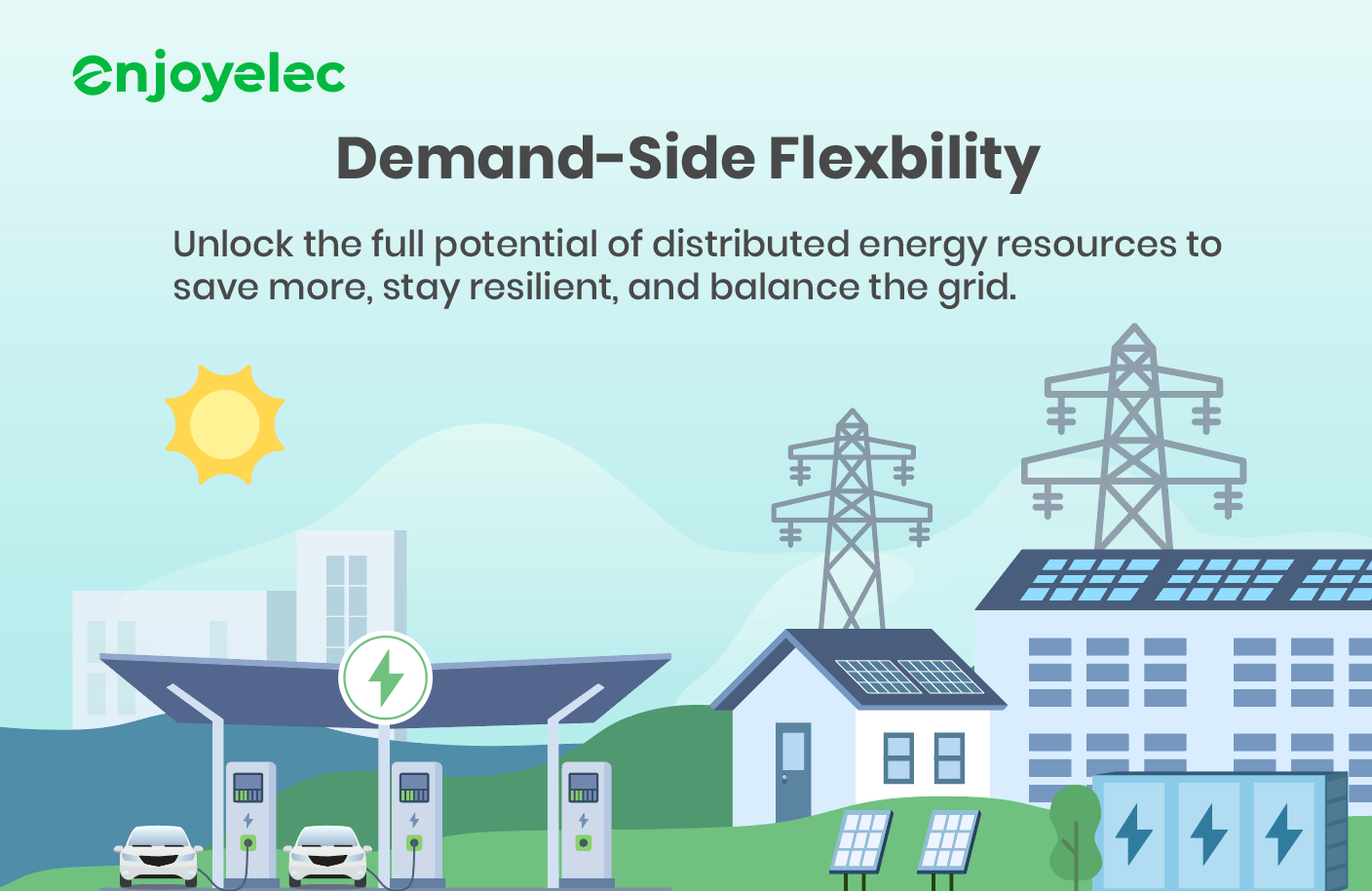
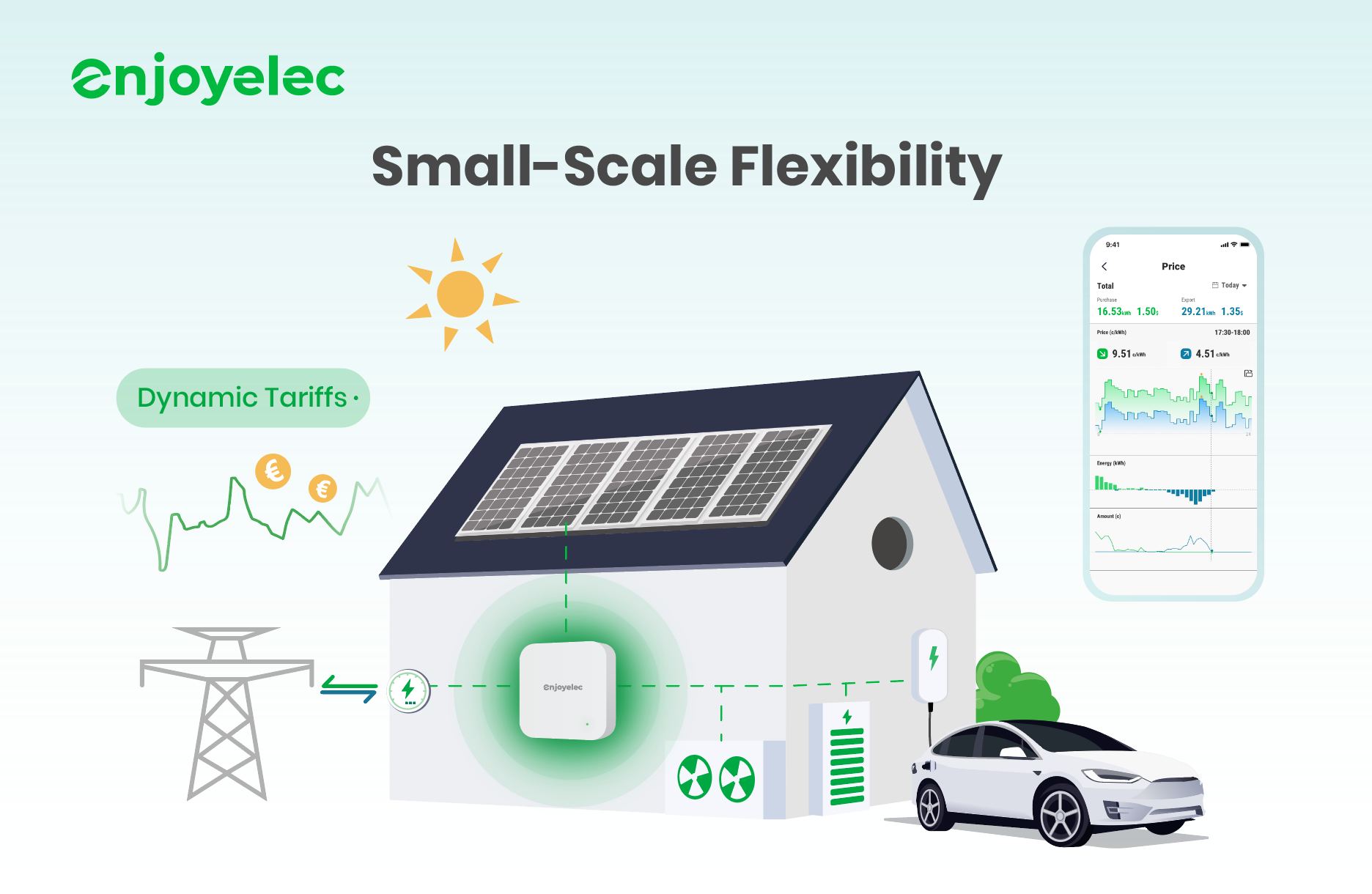
In this new paradigm, every home equipped with Distributed Energy Resources (DERs)-from rooftop PV, heat pumps to batteries, electric vehicles (EV) and other home loads- possesses latent small-scale flexibility. (DemandFlexibility: Revolutionizing Energy Management)
The key to harnessing this collective power is smart management, or, more precisely, the Home Energy Management System (HEMS).
HEMS: The Technology That Delivers Flexibility
What makes HEMS essential?
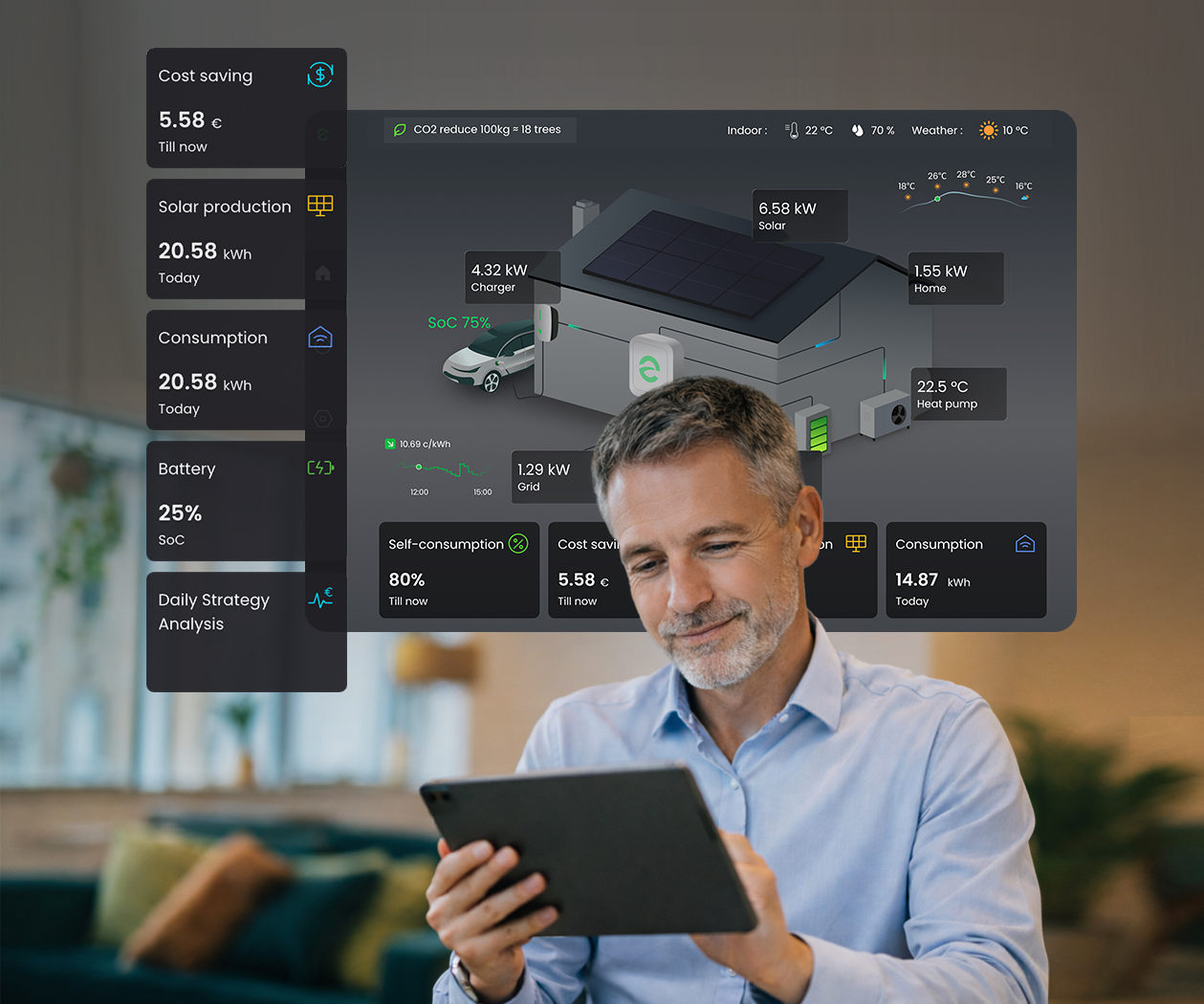
The all-in-one HEMS acts as the technical platform that aggregates, manages, and ultimately delivers this flexibility, turning household assets from simple consumers into active, responsive participants in the energy system.
How is this accomplished?
Flexibility is a capability, and HEMS is the technology that unlocks it.
AI empowers HEMS with extraordinary prediction and analysis abilities, enabling it to move beyond simply reacting.
It is the sophisticated control center that translates external signals – be they market prices, grid conditions, or renewable generation forecasts- into immediate, optimized actions.
In home energy management, AI can automatically optimize when to charge or discharge batteries, run appliances, or sell energy back to the grid. It predicts solar production, aligns consumption with dynamic tariffs, and ensures energy is used when it’s cheapest or most sustainable. This results in lower bills, better use of renewable energy, and reduced grid strain.
Beyond automation, AI enables true personalization and responsiveness. It learns household habits, adapts to changes, and balances energy efficiency with user comfort. As more homes and businesses adopt AI-powered energy systems, we move closer to a flexible, decentralized, and greener energy future.
Asset orchestration is the engine of this system, fundamentally transforming passive consumption sites into active grid participants, a process that makes heavy loads like heat pumps and EVs controllable rather than static.
Batteries
HEMS manages the battery’s State of Charge (SoC) to create available capacity. This capacity is primarily utilized to absorb surplus renewable energy or cheap grid power for later use, strategically reserving power to quickly discharge during periods of high grid stress or prices. This is the foundational model of stored flexibility and price arbitrage.
Electric Vehicles
EVs are massive, flexible loads when managed by HEMS. The system shifts charging away from critical peak hours to periods when the grid is most stable or when the grid price is cheapest, ensuring the home is contributing to load shifting without compromising the user’s mobility needs.
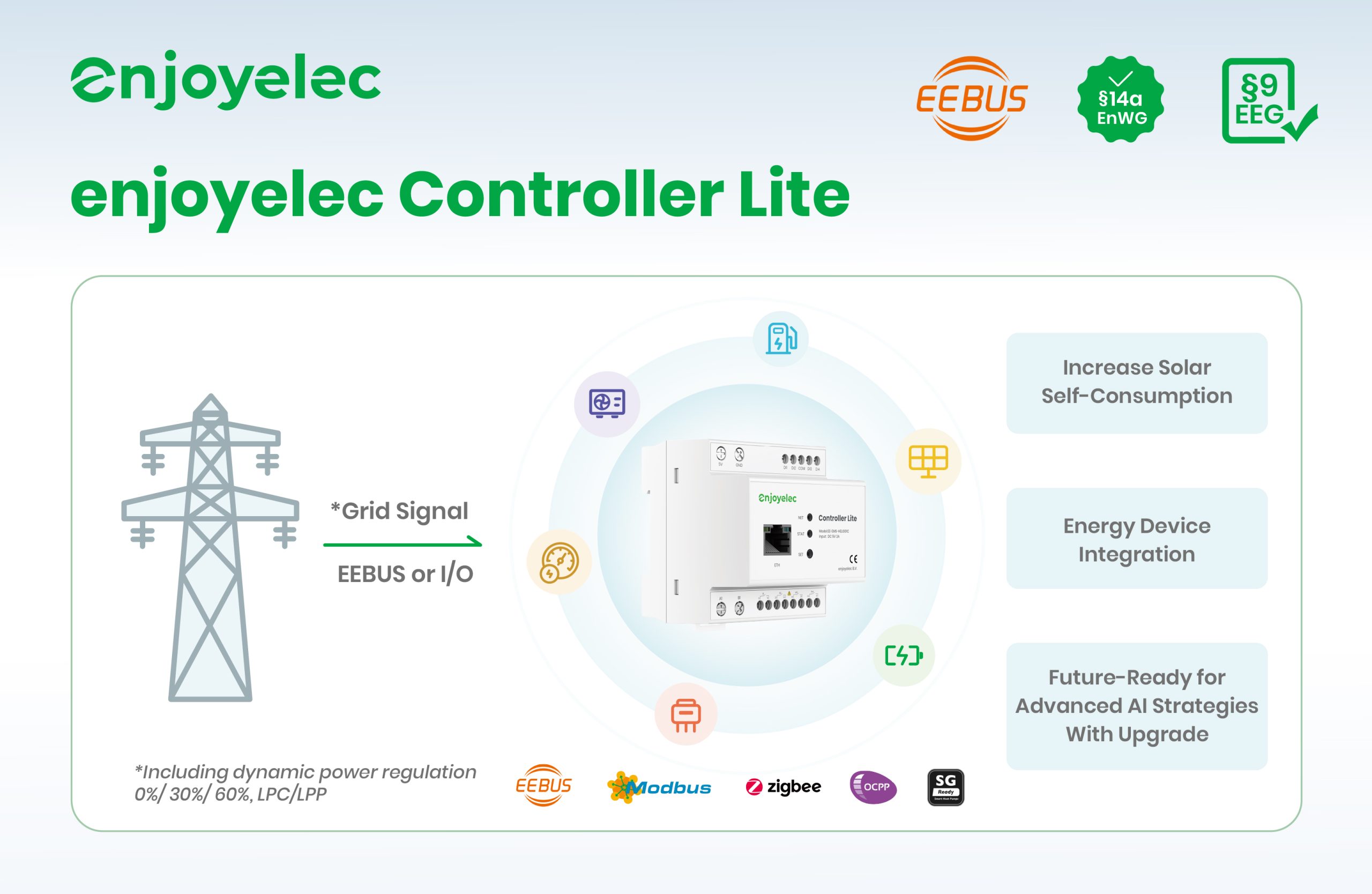
Crucially, the full flexibility potential of EVs lies in vehicle-to-grid(V2G) technology. This transformative capability is increasingly gaining recognition from policymakers. For instance, Germany is actively working to establish the necessary legal and technical frameworks, like §14a EnWG, §9 EEG, and the MiSpeL draft proposal, for controllable systems and for actively integrating such flexible assets to support grid stability.
Heat Pumps
While essential for the decarbonization of heating, they are also significant energy consumers. However, their link to the thermal mass of the home and water tank makes them inherently flexible. HEMS leverages this flexibility by using predictive control to slightly pre-heat or over-cool the building or water tank during off-peak times or when solar is surplus. This stores energy thermally, allowing the heat pump to curtail or defer its consumption during high-demand periods without impacting the user’s comfort.
The Multi-Value Streams of Small-Scale Flexibility
Harnessing flexibility through HEMS creates value not just for the homeowner, but across the entire energy ecosystem. This multi-value stacking is what makes small-scale flexibility an economic imperative.
Lowering Household Energy Costs
Self-consumption optimization: HEMS intelligently manages DERs to maximize the use of cheaper, self-generated solar power. It ensures battery charging aligns with solar production, maximizing self-consumption, and minimizing expensive grid export.
Dynamic Tariffs Management: By shifting consumption to off-peak hours, HEMS directly reduces the homeowner’s utility bill, providing a direct financial incentive for adoption.
Enhancing System Stability
Peak Shaving and Load Shifting: The aggregation of millions of HEMS-managed flexible loads can significantly reduce systemwide peak demand. This deferred or shifted demand reduces the need for expensive, polluting peaker plants and delays the costly need for grid infrastructure upgrades.
Deepening Decarbonization
Reduction of Curtailment: By providing a dynamic, controllable load, HEMS reduces the instance where excess renewable energy must be deliberately curtailed (or wasted) because the grid cannot absorb it. This maximizes the climate benefit of installed clean energy assets.
The Prosumer Economy: Flexibility as a Service
The ultimate vision is a market where flexibility is a service. HEMS acts as the essential platform that allows the homeowner’s assets to participate in this market, automatically transacting their available capacity for value. This profound shift transforms the consumer from a passive recipient of energy services to a ‘prosumer’-an active, revenue-earning participant in a decentralized, resilient, and sustainable energy system. The true power of HEMS, therefore, lies in its ability to unlock the latent, multi-faceted value hidden within the walls of every flexible home.